How to Apply an Anion Gap Calculator for Blood Chemistry Values
An anion gap calculator helps you convert routine electrolyte values into a quick, clinically useful snapshot of acid-base balance. With common blood test results such as sodium, chloride, and bicarbonate, the calculator estimates the anion gap, which can aid interpretation of a serum chemistry panel and guide next steps in evaluation.
The value is not a standalone diagnosis by itself. It is a diagnostic aid that helps recognize patterns such as metabolic acidosis, including high anion gap metabolic acidosis and normal anion gap metabolic acidosis. The result becomes more informative when you consider serum albumin, the reference range, and the overall clinical context.
What the Anion Gap Calculator Measures
The anion gap represents a calculated measure that shows the relationship between observed positive and negatively charged particles in the blood. It is derived from electrolytes commonly listed on an electrolyte panel, especially sodium, chloride, and bicarbonate.
This measurement is based on electrical neutrality: the organism keeps total positive and negative charges in balance. Because routine lab tests do not measure every ion in the blood, the anion gap helps estimate the amount of unmeasured NAGMA causes ions. This makes it a practical way to detect changes in anion concentration that may signal an acid-base disorder.
In practice, the anion gap is often reviewed as part of a serum chemistry panel. A clinician may apply it to help interpret a lab result when symptoms, a blood gas, or other findings suggest an underlying metabolic problem. It is especially helpful when screening for possible causes of acidosis or identifying patterns that need additional testing.
Anion Gap Formula and Calculator Inputs
An anion gap calculator generally needs three main values: sodium, chloride, and bicarbonate. These are the core inputs used in the standard anion gap formula.
The usual formula is:
Anion gap = sodium - (chloride + bicarbonate)
Some calculators may also apply a version that includes potassium, but the sodium-based formula is the one usually used for everyday interpretation. The exact formula depends on the lab or tool, so it is important to check the measurement method before interpreting the result.
Here is what each input stands for:
- Sodium: the main measured cation in the serum
- Chloride: the main measured anion that often shifts in the reverse direction of bicarbonate
- Bicarbonate: a key buffer that helps maintain pH stability
These values are usually reported in the same units on a blood test, which makes the calculation straightforward. The calculator performs the formula rapidly, but the real value comes from correct interpretation of the result.
How to Calculate Anion Gap from Serum Electrolyte Values
The calculation steps are simple, but accuracy matters. To begin, locate the relevant lab values on the serum chemistry report. Then follow the formula with the sodium, chloride, and bicarbonate values.
Step-by-step:
- Identify the sodium value
- Identify the chloride value
- Find the bicarbonate value
- Sum chloride and bicarbonate together
- Deduct that sum from sodium
Illustrative calculation: If sodium is 140, chloride is 104, and bicarbonate is 24, the formula becomes 140 - (104 + 24). The result is 12. That number falls within the usual reference range for many labs.
Although the math is easy, the interpretation depends on the lab's normal range. Different laboratories may report slightly different normal ranges because of differences in methodology and measurement. A value that is normal in one setting may be borderline in another.
It also helps to think of the result as part of a broader pattern rather than a stand-alone number. A normal result does not automatically rule out disease, and a high value does not identify the cause by itself. The anion gap is most useful when paired with the rest of the clinical picture.
What a Raised Anion Gap Indicates
A elevated reading on an anion gap calculator often indicates that unmeasured acids are present in the blood. This result is classically associated with acid buildup, especially a high-gap metabolic acidosis.
Common causes include lactic acidosis, ketone-related acidosis, kidney-related toxin buildup, and certain toxic substances. Each of these conditions increases the amount of unmeasured anions, which raises the calculated gap.
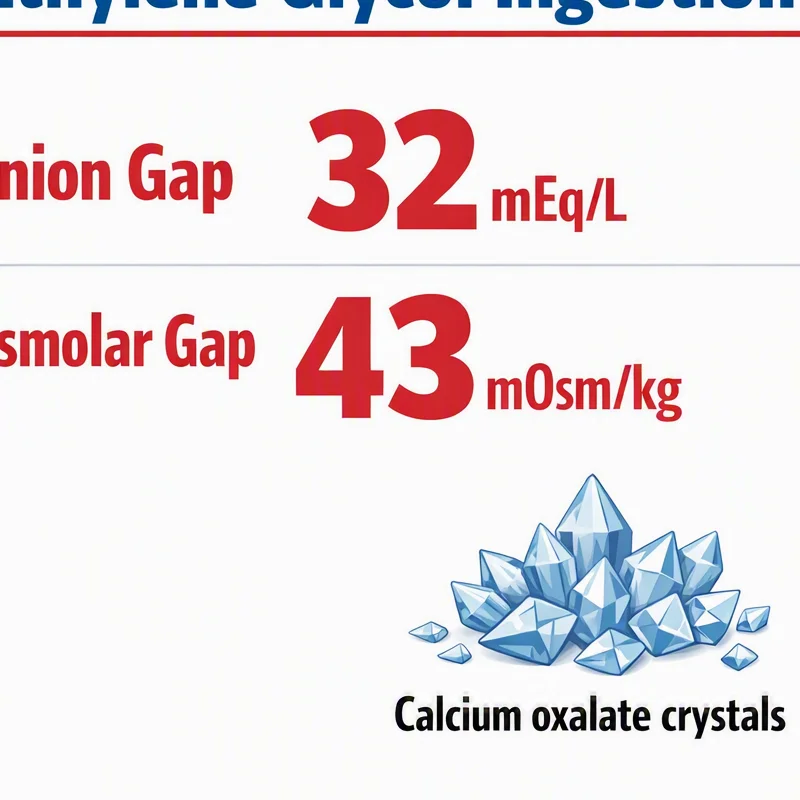
Lactic acidosis can develop when tissues are not getting enough oxygen or when lactate production exceeds clearance. Ketoacidosis occurs when the body produces excess ketones, often in the setting of uncontrolled diabetes, starvation, or heavy alcohol use. Uremia reflects the accumulation of acids in advanced kidney failure. Toxins such as methanol, ethylene glycol, or salicylates can also cause a high anion gap.
A high result is a clue, not a final answer. The key question is why the acid-base problem is present. That is why clinicians often combine the anion gap with blood gas testing, kidney function, lactate, ketones, and toxicology when indicated.
What exactly is a Standard or Reduced Anion Gap Indicates
A result in the expected range does not always mean all is well. In some cases, a normal finding may occur even when an acid-base imbalance is present, especially in normal anion gap metabolic acidosis.
Normal anion gap metabolic acidosis often stems from bicarbonate loss or chloride gain rather than the buildup of unmeasured acids. This pattern can be seen with loose stools, renal tubular disorders, or certain fluid shifts. In these cases, the anion gap may stay within the expected reference range even though acid-base balance is impaired.
A low value can also be significant. One major cause is hypoalbuminemia, because albumin is an major unmeasured anion. When albumin decreases, the calculated gap may decrease even if other problems are present. Other causes include laboratory error and paraproteinemia, such as in plasma cell disorders, where abnormal proteins can affect analysis.
If the result seems lower than expected, it is wise to repeat the measurement and review the wider clinical significance. Sometimes the issue is a reporting or sampling problem rather than a true physiologic urine anion gap online tool change.
In What Way Albumin Adjustment Alters the Calculation
Serum albumin exerts a significant effect on the anion gap because albumin holds negative charge in the blood. When albumin is low, the measured gap may underestimate the presence of unmeasured acids. That is why clinicians often rely on an albumin correction or calculate an albumin-corrected anion gap.
The most common correction formula adjusts the gap upward when serum albumin is below normal. A typical approach is to include a correction factor for each decrease in albumin from the standard baseline. Different sources may use slightly different versions, so it is important to know which formula your calculator uses.
This correction strengthens interpretation because a patient with hypoalbuminemia may have a seemingly normal or low anion gap even while a metabolic problem is present. In that setting, albumin correction can reveal a hidden high anion gap and shift the clinical impression.
For practical use, always assess the albumin level alongside the chemistry panel. A corrected result is not just a mathematical adjustment; it modifies the way the data fit the patient’s overall status. That is especially important when interpreting acidosis in hospitalized or critically ill patients.
Typical Diagnostic Uses of the Anion Gap
The anion gap is widely used across acid-base disorders because it offers a quick way to screen for physiologic problems. It is a routine tool in emergency medicine, where prompt decisions often depend on identifying the cause of acidosis. It is also common in critical care, where patients may have multiple overlapping metabolic abnormalities.
In kidney disease, the gap may elevate as acids accumulate and clearance declines. This makes the calculation useful for assessing worsening metabolic status and recognizing complications that require urgent attention.
Other common uses include evaluating unexplained illness, checking whether a blood test pattern suggests lactic acidosis or ketoacidosis, and helping distinguish between different causes of metabolic acidosis. The test works best as a screening and interpretation tool rather than a final diagnosis.
Because it is simple to calculate from routine electrolyte values, the anion gap is often one of the first numbers reviewed after a chemistry panel. Its speed and simplicity are part of what makes it so clinically useful.
Constraints of an Anion Gap Calculator
An anion gap calculator is only as reliable as the data entered into it. The result depends on the reference range used by the lab, the measurement method, and the quality of the input values. Even small differences in sodium, chloride, or bicarbonate can change the output.
One important technical issue is the use of an ion-selective electrode. This common method for measuring electrolytes can produce results that differ slightly from other methods, which affects the calculated gap. That is one reason different labs may report different normal ranges.
Another limitation is that the calculator does not know the full clinical context. A number alone cannot tell you whether the patient has a mixed disorder, a sampling issue, or a condition that requires urgent treatment. The same result may have very different meaning depending on symptoms, history, and other laboratory findings.
For optimal use, treat the calculator as a useful initial step. It can determine the gap fast, but interpretation should always include albumin, acid-base status, and the rest of the blood test results.
Frequently Asked Questions
How do you calculate the anion gap from electrolyte values?
Follow the standard anion gap formula: sodium minus the sum of chloride and bicarbonate. In plain language, anion gap = sodium - (chloride + bicarbonate). Enter the three electrolyte values into an anion gap calculator, and it will compute the result automatically. The answer should then be interpreted in the framework of the lab’s reference range and the patient’s clinical picture.
What is a normal anion gap range?
The normal range changes by laboratory because of differences in the measurement method and reporting standards. Many labs use a range that is approximately 8 to 12, but the exact reference range should always come from the specific lab report. A normal result does not rule out every acid-base disorder, especially normal anion gap metabolic acidosis.
What causes a high anion gap?
A high anion gap usually means there are extra unmeasured acids in the blood. Common causes include lactic acidosis, ketoacidosis, uremia, and toxins. These conditions are classic causes of high anion gap metabolic acidosis. The result should be interpreted with symptoms, other lab tests, and overall patient context.
Why does low albumin affect the anion gap?
Albumin is a major unmeasured anion, so when serum albumin is low, the calculated gap may fall even if acids are present. This is why hypoalbuminemia can hide a clinically important problem. Using an albumin correction or an albumin-corrected anion gap helps improve interpretation and may reveal a masked high gap.
When should an anion gap result be evaluated with additional lab tests?
It should always be checked with complementary tests when the result is unexpected or when symptoms suggest a metabolic issue. The anion gap is most helpful alongside bicarbonate, blood gas results, kidney function, lactate, ketones, and in some cases toxicology. Because the number is a screening tool, its clinical significance depends on the wider serum chemistry panel and the overall acid-base balance picture.